A failing stabilizer can expose a hospital to unstable voltage, unsafe transfers and an avoidable interruption to clinical work. By following a load-specific response, giving the technician usable readings and demanding documented testing, you can protect critical equipment while separating a stabilizer fault from a wider electrical problem.
Key takeaways
- Isolate overheating, arcing or uncontrolled-voltage stabilizers immediately.
- Give technicians the load, fault symptoms, ratings and recent maintenance history.
- Test input, output, bypass, sensing and protection circuits before replacing parts.
- Require documented voltage tests and safe-load checks before reconnection.
What to do in the first 15 minutes of a stabilizer failure
Do not keep sensitive equipment connected to a servo stabilizer that is overheating, arcing, hunting, making abnormal noise, or producing uncontrolled voltage. Protect patients first, then prevent further damage while arranging urgent stabilizer service.
1. Alert the duty clinician, biomedical engineer, electrical supervisor and facilities manager. Do not switch off a ventilator, infusion pump, monitor or other life-support equipment without clinical approval; move it to its approved UPS or alternate supply according to its operating procedure.
2. Stop starting non-essential loads, including imaging, laundry, HVAC and workshop equipment. Keep doors closed on affected electrical rooms and restrict access if there is smoke, burning smell, exposed conductors or water.
3. Isolate the failed stabilizer only through its designated breaker or isolator, and only by authorised staff. Do not repeatedly reset a tripped breaker or replace a fuse before the fault is inspected.
4. Use a bypass only after confirming its rating, interlock, phase sequence, neutral continuity, earth continuity and delivered voltage. A bypass can pass the original phase loss, neutral fault, generator instability or dangerous fluctuation directly to medical equipment.
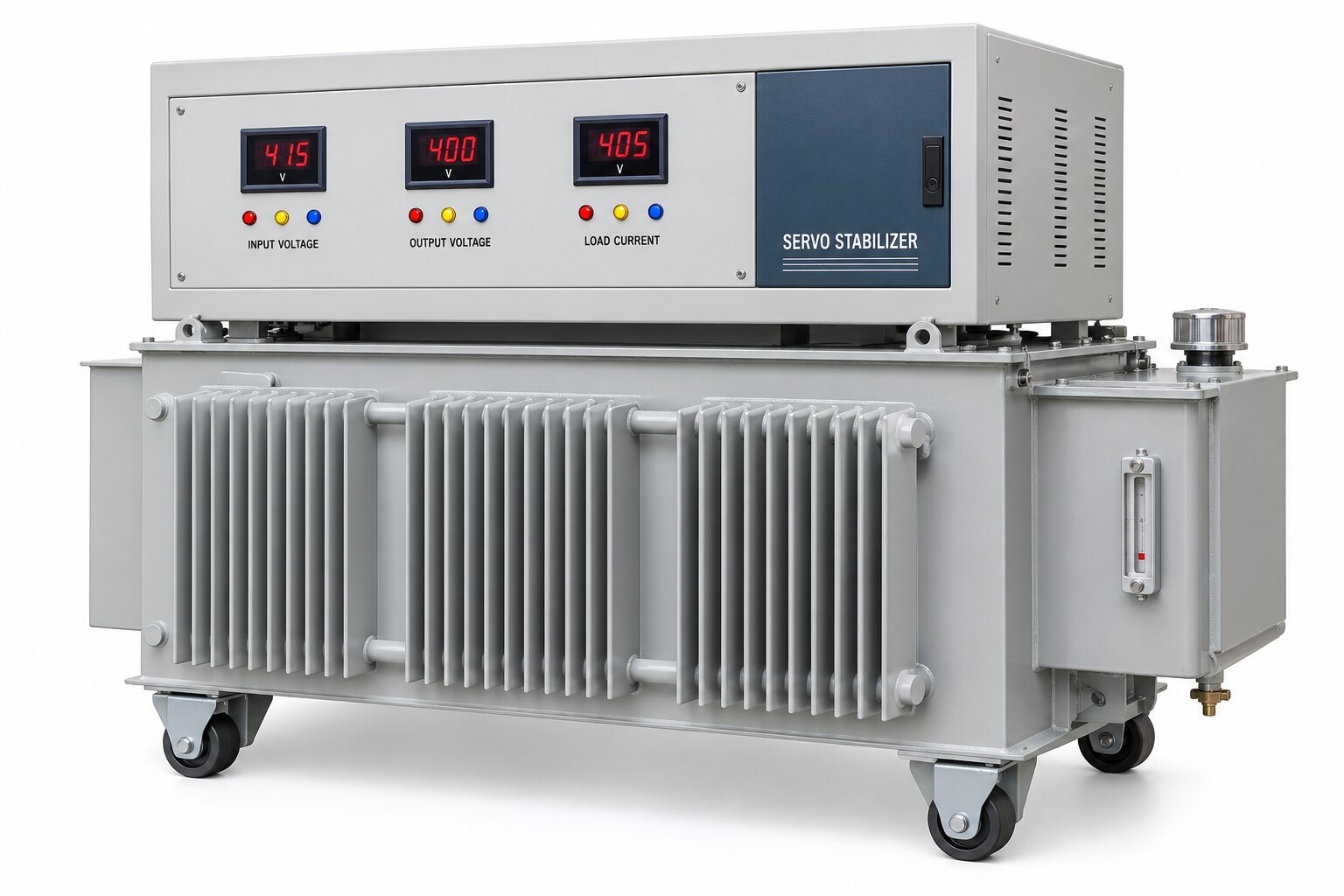
5. Record the time, alarm or fault code, input and output readings, phase condition, connected loads and visible damage. Photograph the display and nameplate if safe, then tell the technician whether the unit feeds critical clinical equipment.
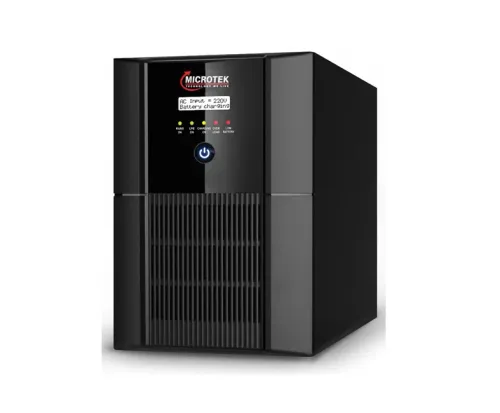
For healthcare voltage protection in Nagpur, keep imaging, laboratory, pharmacy and IT loads isolated until their permitted voltage range and supply source are confirmed. A servo stabilizer does not provide ride-through during a mains failure; critical loads need a correctly sized UPS.
What information should you give on the emergency service call?
Give the urgent stabilizer service caller enough information to identify the equipment, the failure pattern and the clinical risk. A servo stabilizer technician in Nagpur can then bring correctly rated parts and instruments instead of arriving only to reset a fuse.
Send these details before dispatch:
- Facility address, access restrictions, contact person and safe isolation point.
- Single-phase or three-phase wiring, nameplate kVA, make, model and installation date.
- Equipment supplied: life-support, operating-room, X-ray, CT, MRI, laboratory, pharmacy refrigeration or IT loads.
- Symptoms: hunting voltage, servo motor noise, overheating, burning smell, repeated trips, contactor chatter, alarm code or total shutdown.
- Latest input and output readings, including phase-to-phase and phase-to-neutral voltage, frequency and load current per phase. Use recorded panel values unless a qualified person can measure safely.
- Whether the load is on utility, generator, UPS or bypass, and whether a critical procedure is in progress.
| Detail to provide | Why the technician needs it |
|---|---|
| Phase imbalance or neutral alarm | To bring terminal hardware and check neutral continuity |
| Blown control fuse or repeated trip | To investigate a short, overload or overvoltage event before replacing it |
| Bypass currently active | To verify rating, interlocking, phase sequence, earth continuity and medical-load voltage |
| Critical load still connected | To plan isolation, UPS transfer and a controlled load test |
State whether cooling fans, brushes, contactors or control boards were recently replaced. Do not promise that bypass is safe until its actual output has been measured.
How do you identify the actual fault before replacing parts?
Do not replace a servo stabilizer part until measurements prove the fault is inside it. Record each phase-to-neutral and phase-to-phase voltage, frequency, neutral condition, earth continuity, load current and phase balance at the distribution board, stabilizer input and stabilizer output. A normal average reading can hide one failed phase, loose neutral or high-resistance termination.
1. Compare utility and generator readings with the stabilizer disconnected. If the input already shows phase loss, unstable frequency or abnormal neutral voltage, investigate the utility supply, generator controls or changeover panel first.
2. Check the distribution board for loose terminals, overheated breakers, damaged contactors and unequal phase loading. Confirm the UPS input, output, bypass, battery voltage and alarm log separately; a dead battery or UPS transfer fault is not a stabilizer defect.
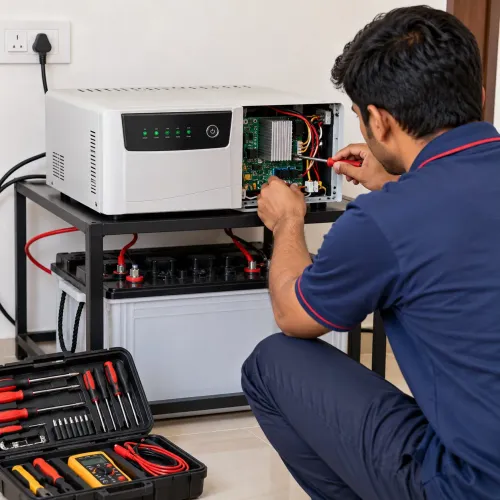
3. Inspect the stabilizer under an isolated, safe condition. Hunting output, servo motor noise, worn carbon brushes, transformer overheating, blown control fuses, failed contactors, repeated trips and burnt terminals point toward stabilizer repair in Nagpur, but verify each symptom with input and output tests.
4. Trace the load side. X-ray, CT, MRI, laboratory, operating-room, pharmacy and IT equipment have different voltage, inrush, isolation and earthing requirements. Check equipment alarms, cable damage, leakage current, protective earth and equipotential bonding before blaming the regulator.
5. Treat bypass as a test, not a cure. Verify its rating, interlock, phase sequence, neutral and earth continuity before energising a critical load. Document readings, fault codes, parts replaced and load-test results for auditable healthcare voltage protection in Nagpur.
When is a servo stabilizer the wrong protection for a medical load?
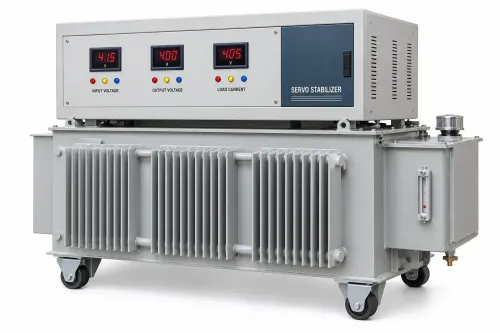
A servo stabilizer is the wrong choice when the load cannot tolerate even a brief interruption, needs medical isolation, or draws severe inrush current. It regulates voltage but does not provide ride-through during a mains failure or transfer event. Do not use it as the sole supply for life-support, critical monitoring, networking or control systems.
| Option | What it provides | Choose it when |
|---|---|---|
| Servo stabilizer | Continuous variable correction | Loads tolerate correction time and need broad voltage regulation |
| Static voltage regulator | Fast, contactless correction | Sensitive electronics need rapid response without motor or brush wear |
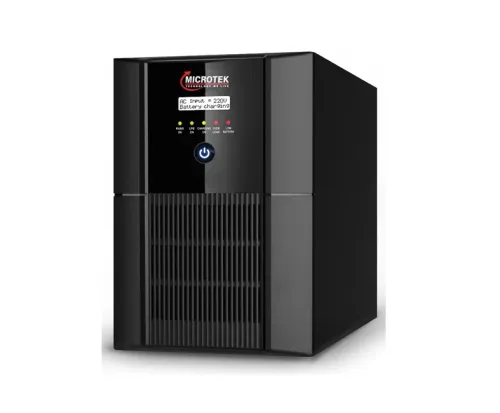
| Online UPS | Zero-interruption power and stored-energy backup | Critical clinical, IT and control loads must remain powered |
| Isolation transformer | Galvanic separation and reduced leakage transfer | Medical areas require isolation, bonding and leakage-current control |
| Tap-changing regulator | Stepped voltage correction | The load accepts discrete changes and moderate response speed |
| Generator controls | AVR, governor and transfer stability | Generator voltage, frequency or load sharing causes the disturbance |
Size the selected system from measured maximum kVA, not connected nameplate totals alone. Record phase current, neutral current, phase imbalance, frequency, input and output voltage, waveform and motor or transformer inrush. Add the manufacturer’s starting requirement and documented spare capacity; do not solve overload with a larger fuse.
For UPS systems, calculate battery autonomy at the actual kW load.
For healthcare voltage protection in nagpur, match each category—X-ray, CT, MRI, laboratory and operating-room equipment—to its permitted range and earthing scheme. A servo stabilizer service healthcare in nagpur visit should verify no-load and operating-load readings, correction time and safe bypass arrangements before reconnecting equipment.
What evidence should you require before returning the facility to normal operation?
Do not return a clinical area to normal operation on a technician’s verbal “working” confirmation. Keep the affected load isolated, protective-earth conductors and equipotential bonding intact, and any bypass or UPS transfer under the facility’s electrical-safety approval.
For servo stabilizer repair in Nagpur, require a signed commissioning report containing:
1. Nameplate rating, phase and wiring configuration, input and output ranges, connected equipment, fault codes, bypass status, and components replaced.
2. Input and output readings at no load and operating load: phase-to-phase and phase-to-neutral voltage, frequency, current on each phase, neutral current, phase imbalance and output waveform.
3. Correction time after a controlled voltage change, plus stable output at the minimum and maximum expected input.
4. Pass or fail results for high- and low-voltage cut-offs, alarms, phase sequence, contactors, interlocks, bypass operation, fan or temperature protection, and recovery after a controlled interruption. Do not test an interruption by risking life-support equipment; use an approved test arrangement.
5. Load-test duration, readings before and after repair, test instruments used, and the technician’s name, date and signature.
The facility’s electrical-safety representative should confirm that no neutral-earth link, interlock or protective-earth conductor was altered to silence an alarm. Confirm that critical life-support, monitoring, networking and control loads remain on correctly sized UPS supply where zero interruption is required.
Whether Mahendra power Zone or another contractor performs the work, retain these records with the equipment history; they make servo stabilizer service healthcare in Nagpur auditable rather than assumption-based.
Related products
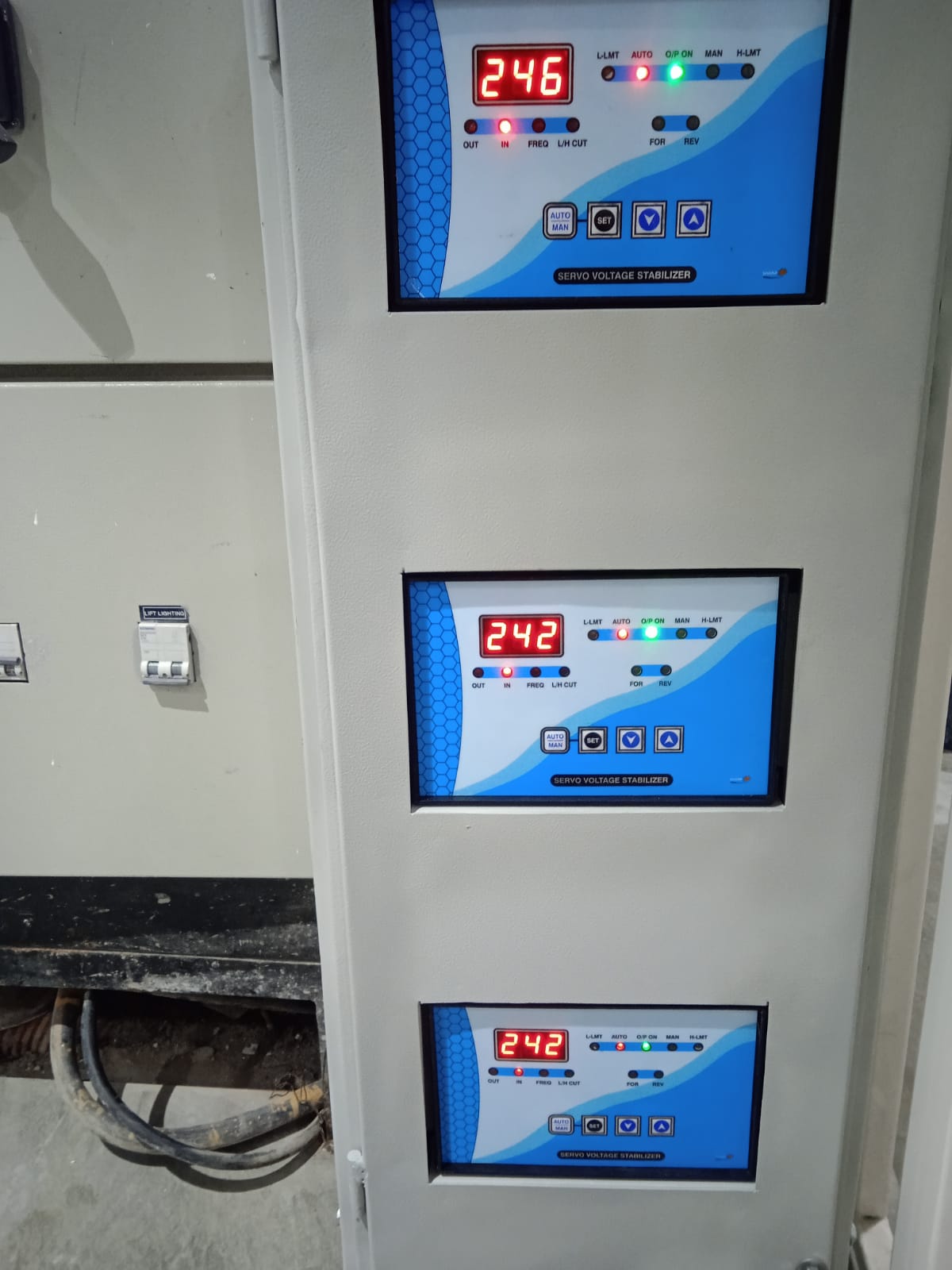 | Servo servo 3 kva to 500 kva View product → |
 | Servo Stabilizer Capacity (Kva) 2 KVA Phase Single Phase Input Voltage 170 to 270 V Body Material Steel Type Automatic Frequency (Hz) 50 - 60 Hz Matching up with the... View product → |
Frequently asked questions
What should you do during the first 15 minutes of a stabilizer failure?
Protect patients first, stop using affected equipment, isolate the failed stabilizer if safe, and arrange urgent service. Do not open an energized cabinet or reconnect a load producing uncontrolled voltage.
What information should you provide during an emergency stabilizer service call?
Provide the facility location, stabilizer make and rating, connected medical loads, symptoms, alarm indications, input and output readings, recent repairs, and whether smoke, heat, arcing or abnormal noise occurred.
How can you identify the actual stabilizer fault before replacing parts?
Have the technician test input voltage, output voltage, sensing circuit, servo motor, carbon brushes, contactors, bypass path, control board, protective trips and wiring. Replace parts only after test results identify the failed section.
When is a servo stabilizer the wrong protection for a medical load?
Use a different protection design when the load needs zero-break transfer, tightly regulated power, isolation, low harmonic distortion or ride-through during outages. Critical devices often require a suitably sized online UPS in addition to voltage protection.
What evidence should you require before returning a healthcare facility to normal operation?
Require recorded input and output voltage tests, alarm and trip checks, bypass verification, earth-continuity results, load testing, inspection findings, replaced-part details and technician sign-off before reconnecting sensitive equipment.
Keywords